


Why Canadian Drone Pilots Need a Community,
Not Just a License

Becoming a Licensed Drone Pilot in Canada is an important milestone. Passing the Exam with Transport Canada shows that you understand airspace rules, safety procedures and the responsibilities that come with flying a drone.

But in practice, a license is only the beginning. Operating drones proficiently, whether for business or for fun, requires continuous learning, collaboration and access to safe environments where pilots can practice and improve.

That’s where community, along with access to a flight facility, becomes essential!

A License Teaches the Rules,
A Community Builds the Pilot


Canadian drone pilots pursuing either a Basic or Advanced certificate spend hours studying regulations, weather, navigation and safety protocols. Those fundamentals are critical, but real-world flying introduces challenges that textbooks rarely cover:

  • Planning flights efficiently using the NAV Drone Portal
  • Handling unexpected weather conditions
  • Managing modern drone controls proficiently
  • Coordinating with other team members
  • Operating safely around people, structures and events
  • Maintaining situational awareness and making timely decisions
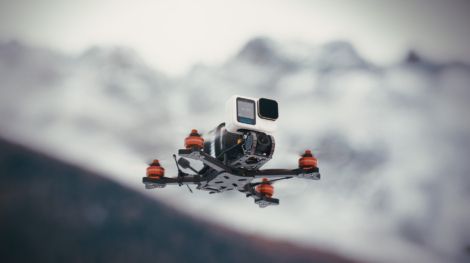
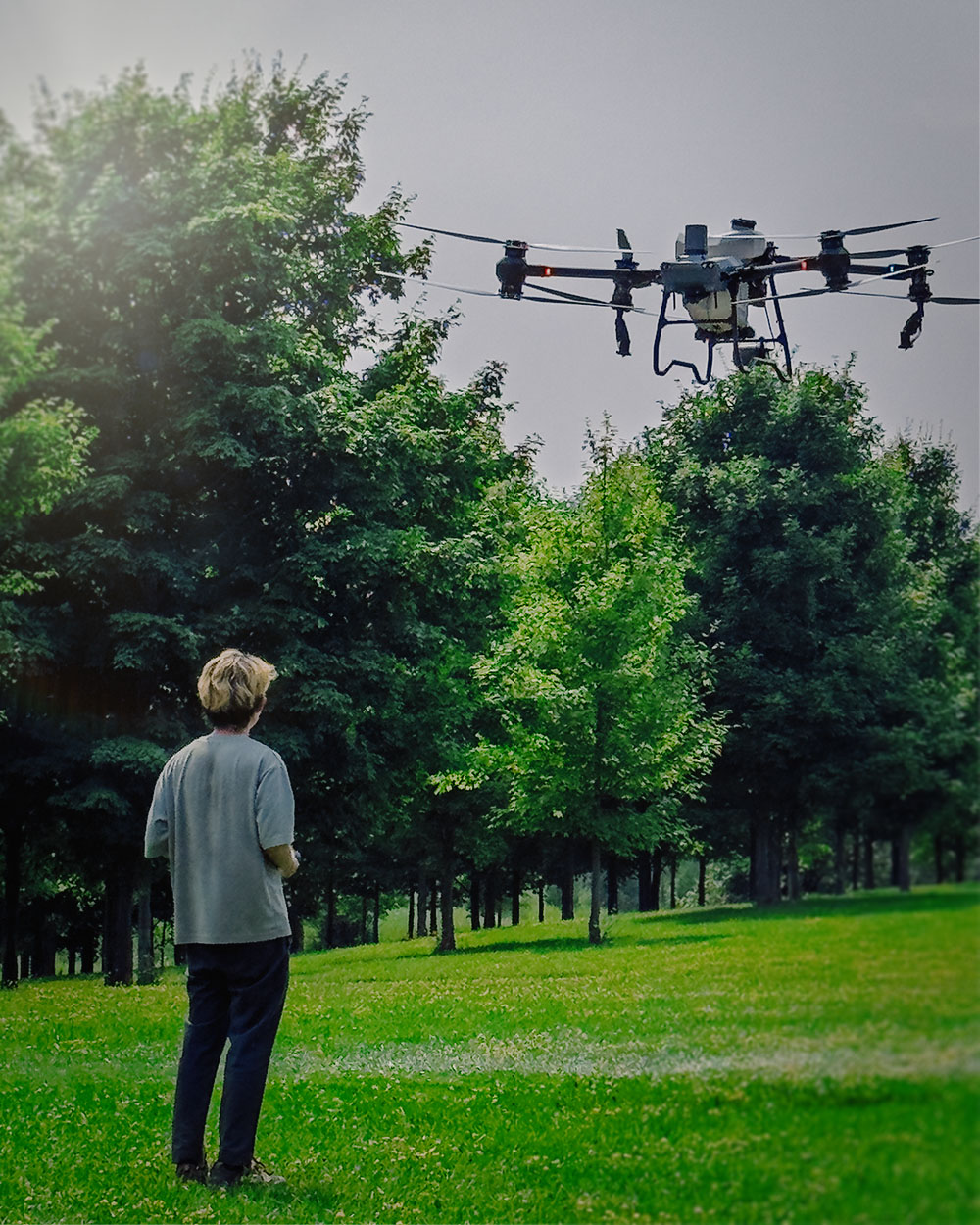
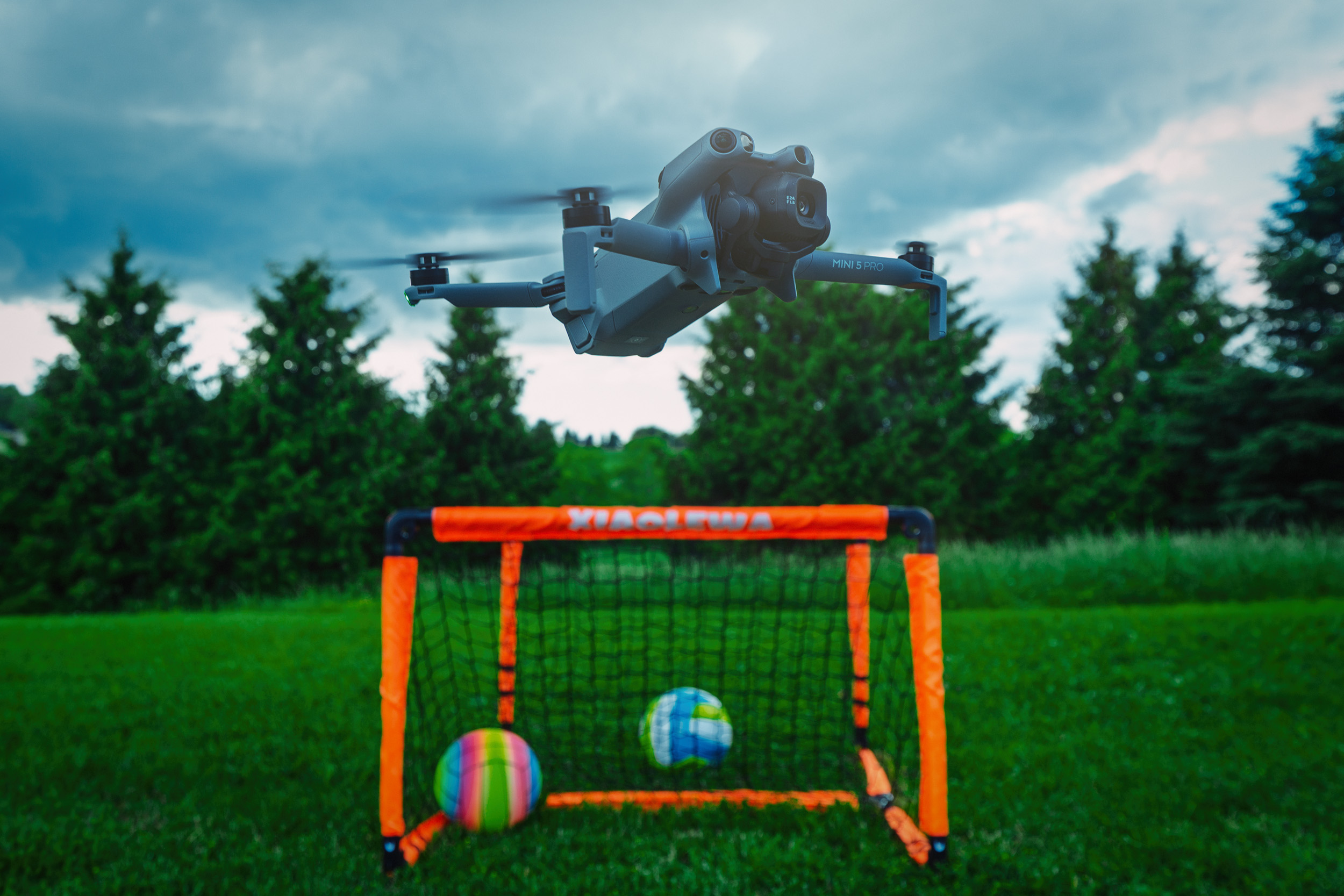
DV_BLOG_PILOT-COMMUNITY_HERO_004
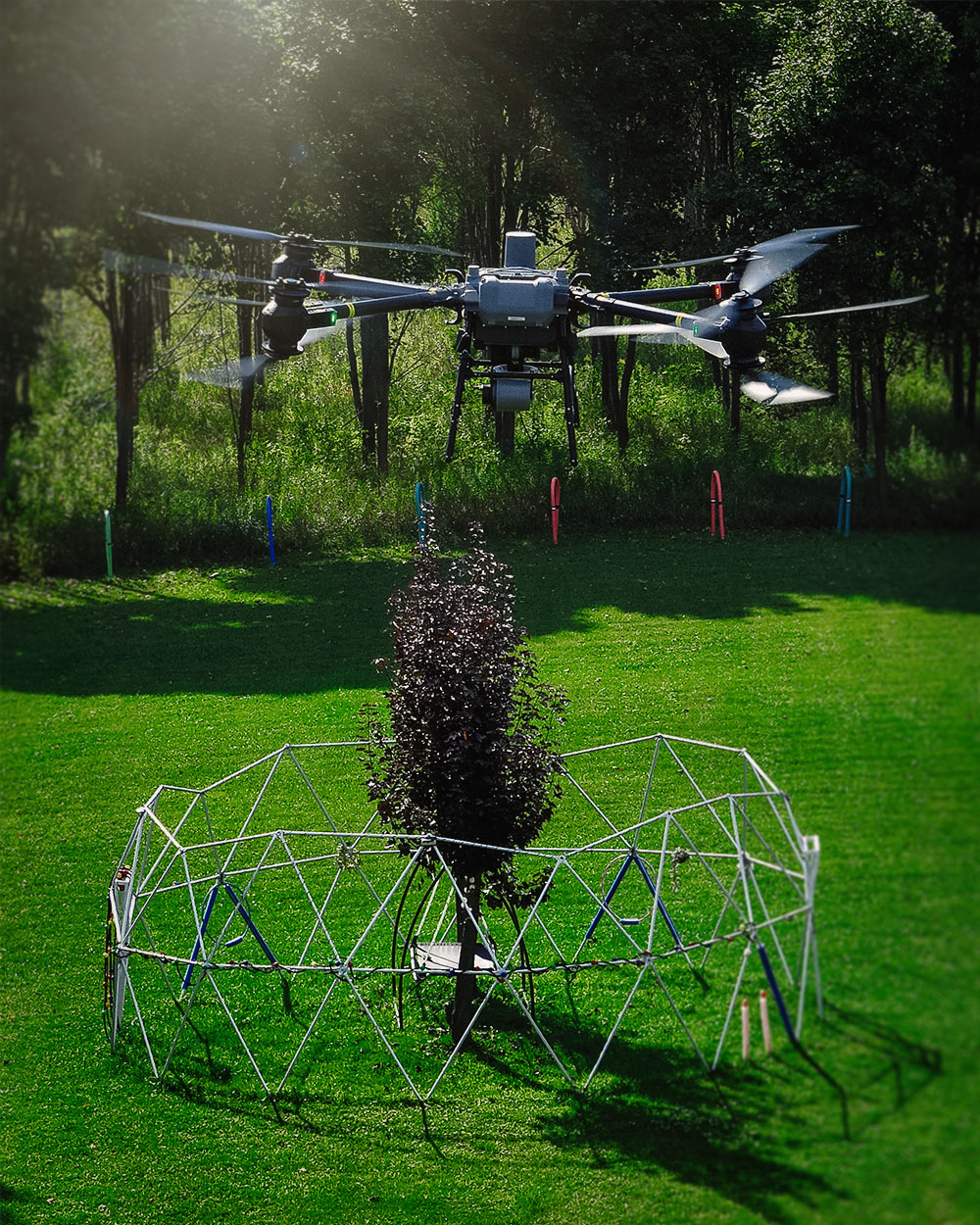
DV_BLOG_PILOT-COMMUNITY_HERO_005
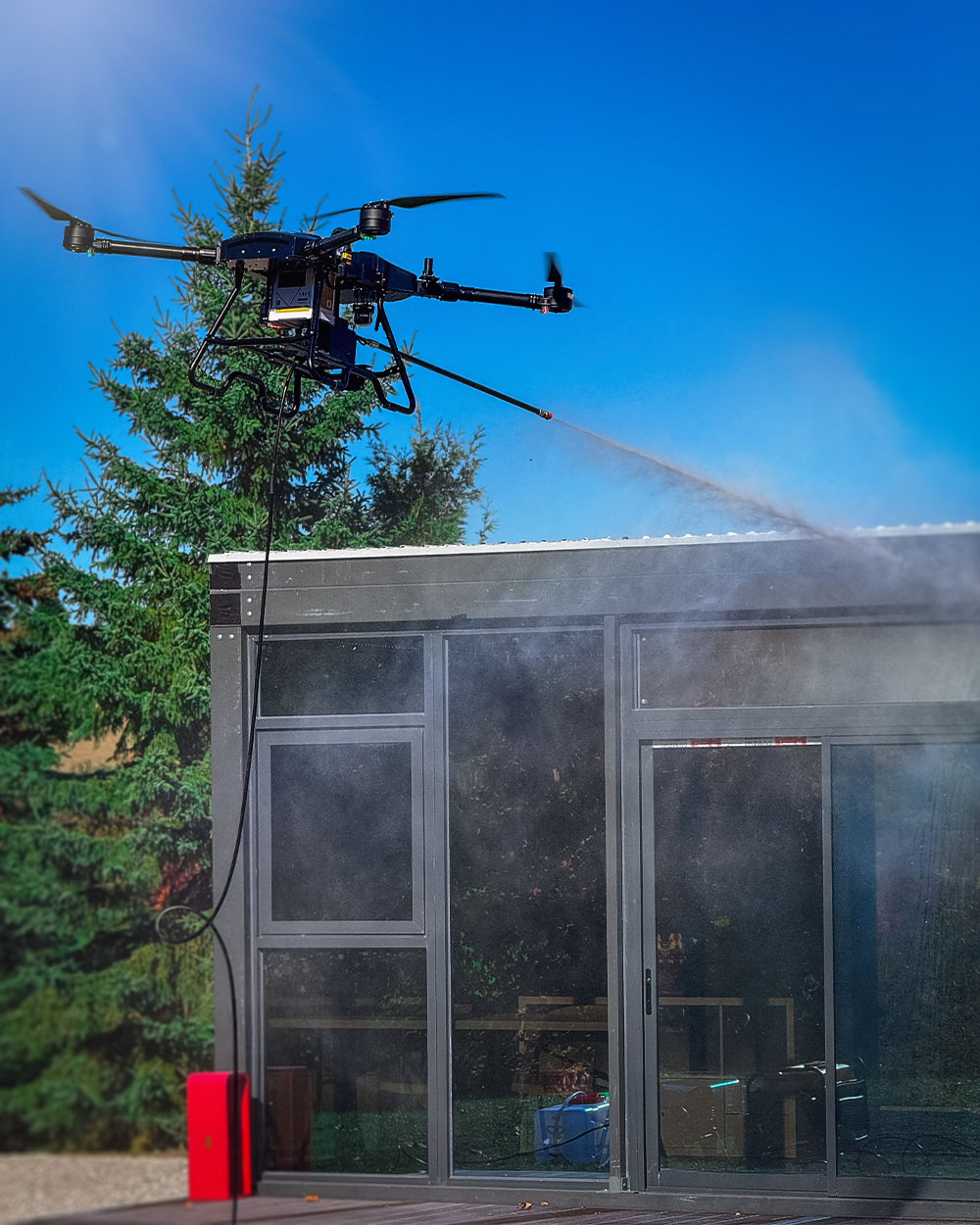
DV_BLOG_PILOT-COMMUNITY_HERO_006

Experienced drone pilots develop these skills over time and much of that learning happens by building flight hours and networking with others. Communities create spaces where knowledge is exchanged openly, from troubleshooting firmware issues to discussing best practices for aerial cinematography or industrial inspections.

Regulations
Are Only Part of Safe Flying


Canada already has a very structured drone regulatory framework. Pilots must follow rules regarding airspace management, distance from people and bystanders, emergency procedures and more. However, safe flying often comes down to decision making, which relies on judgment built through experience.

In a community setting, pilots observe how others conduct pre-flight checks, manage risk assessments and communicate when sharing the airspace. These peer interactions reinforce safe habits and elevate overall professionalism within the drone industry.

Technology
Evolves Faster Than Regulations


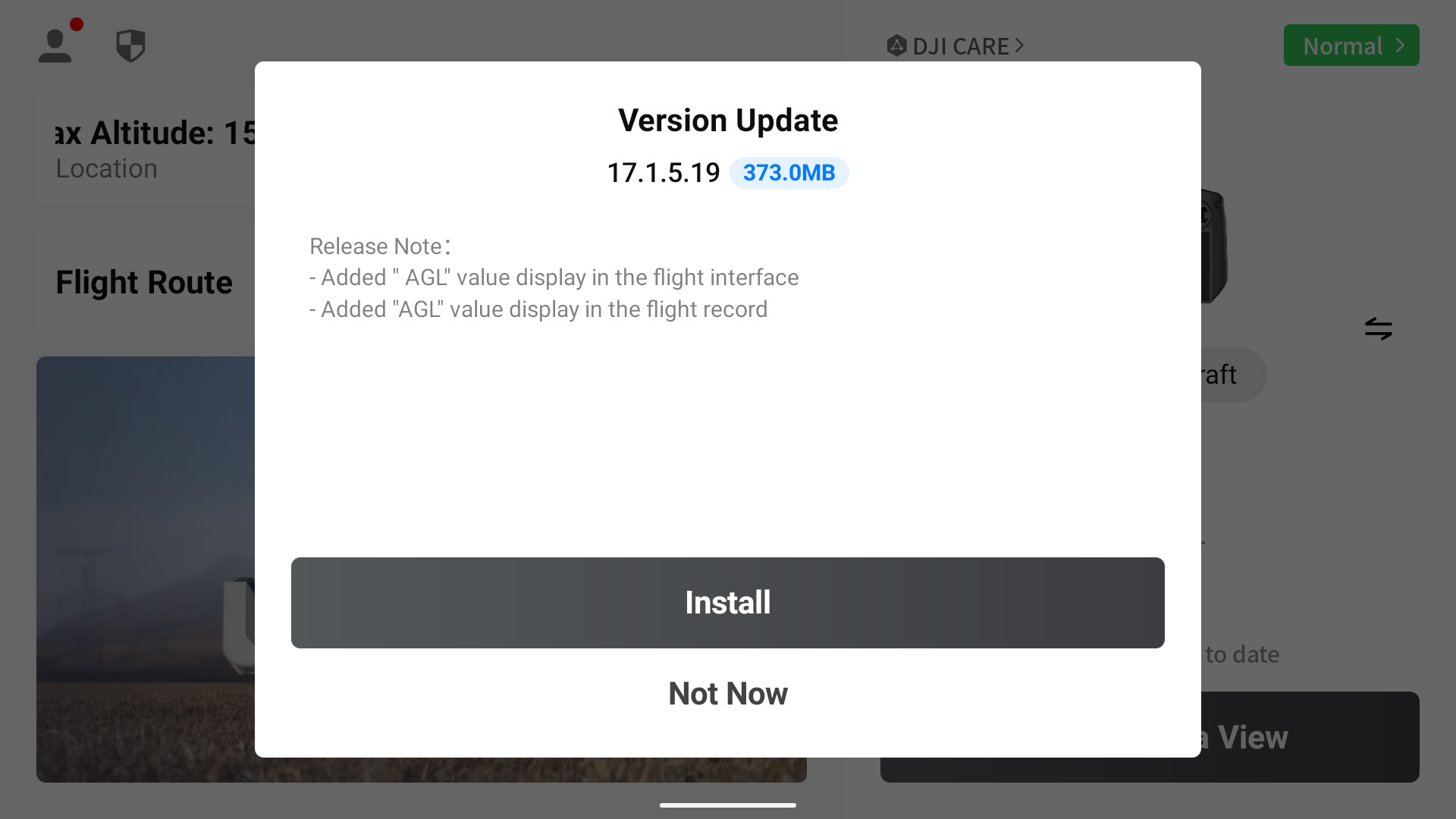
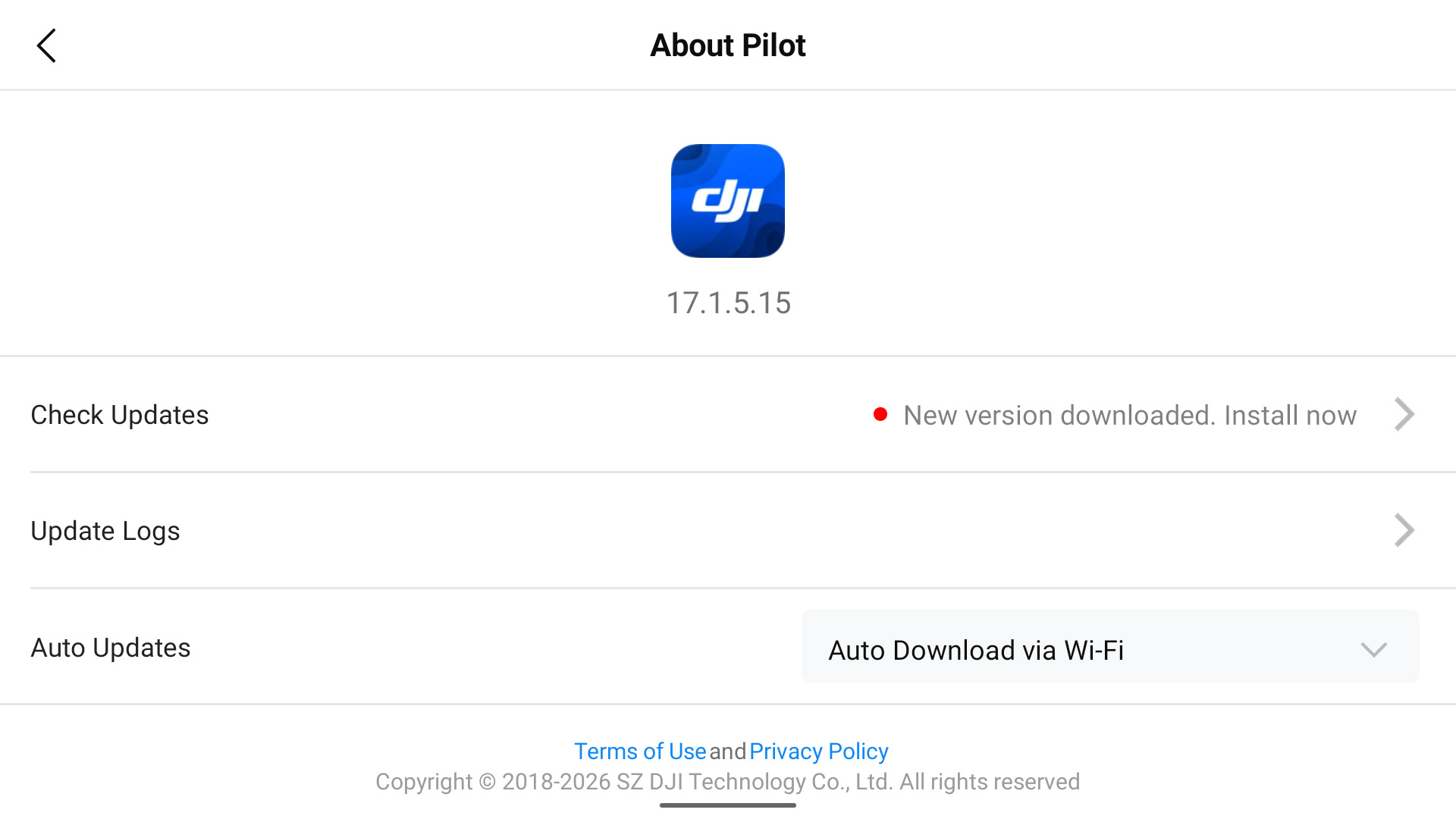
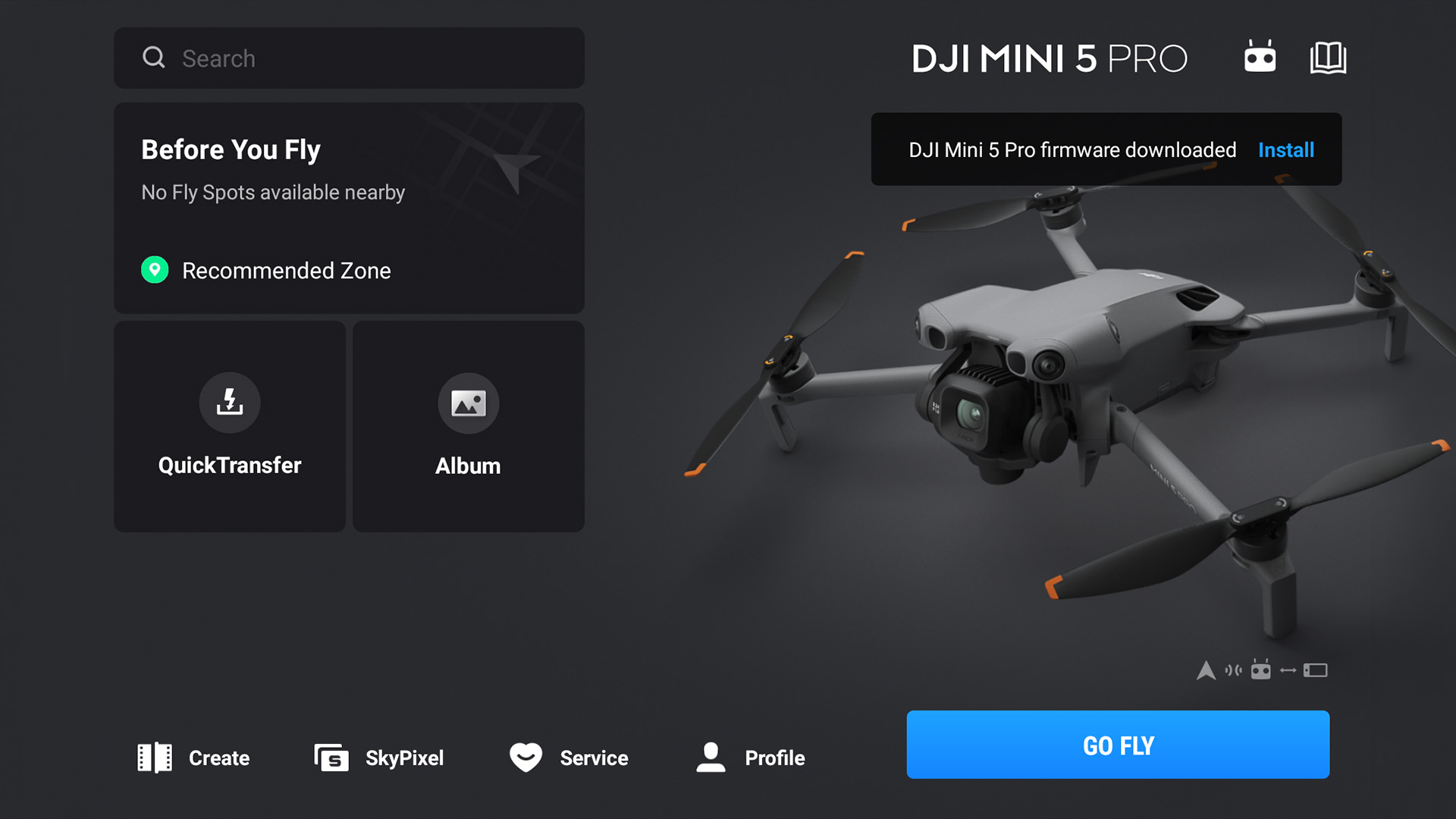
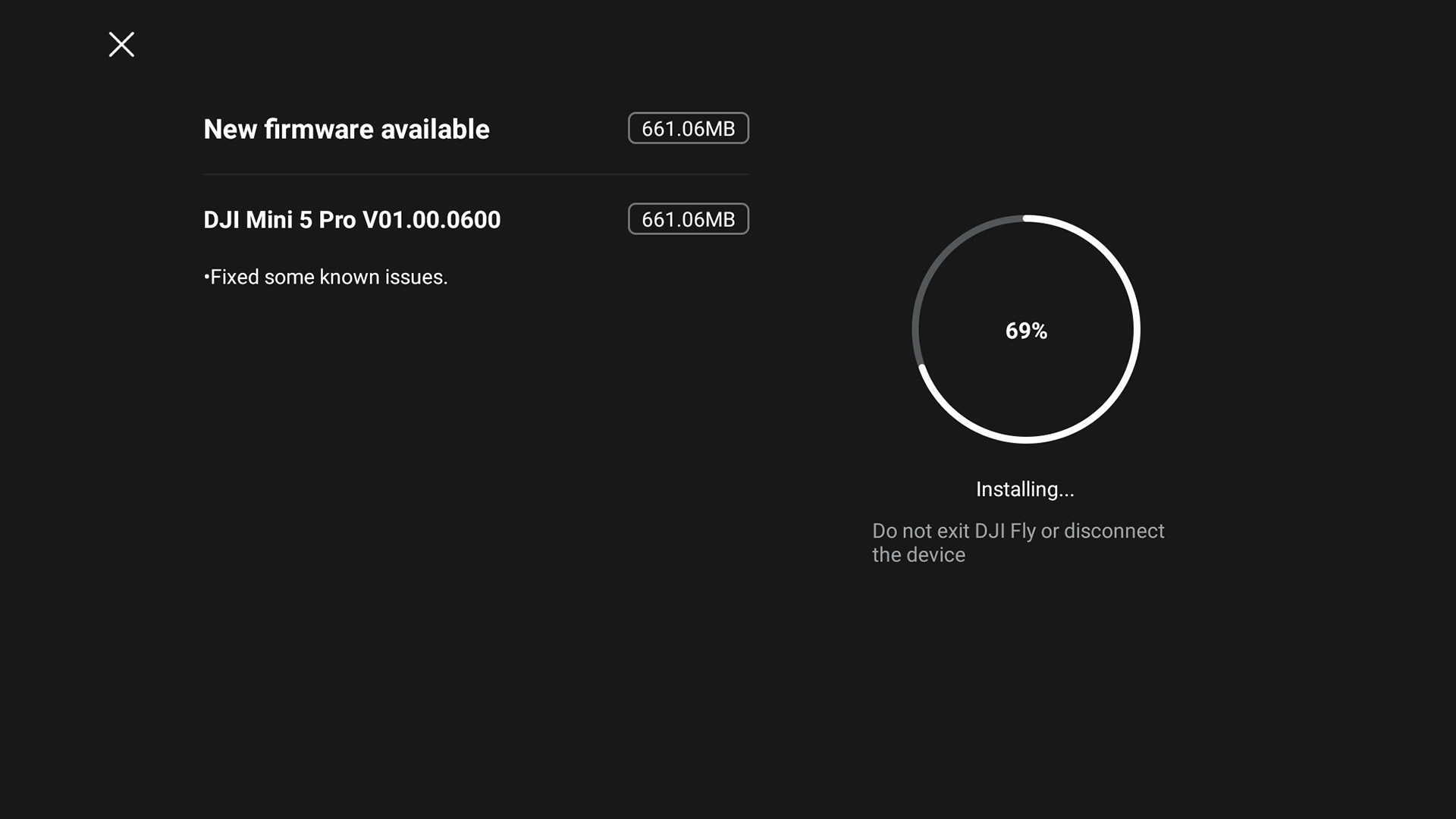
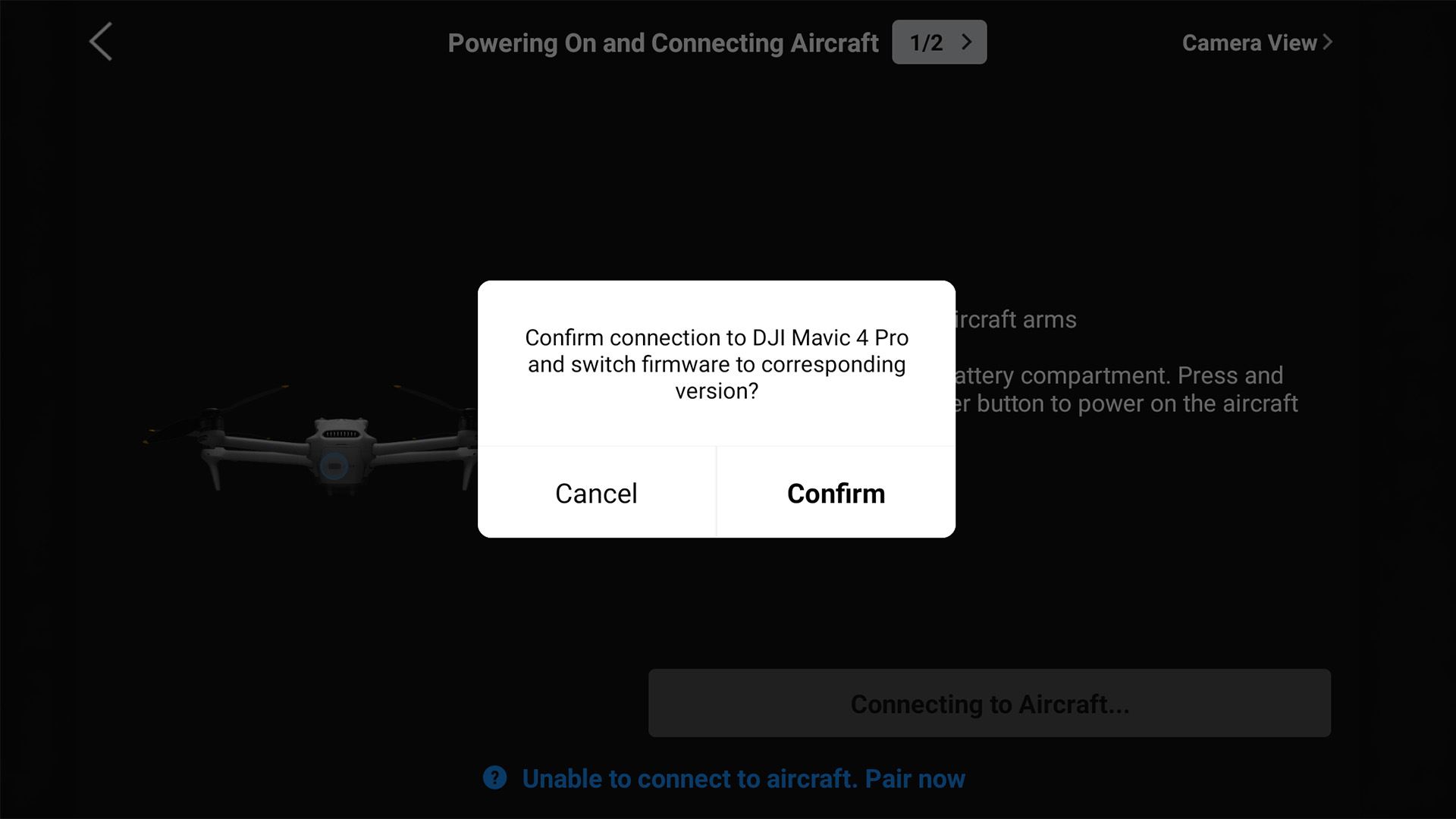
Drone technologies evolve rapidly. New firmware, sensors, flight modes, and drone models are released regularly. Just like cell phones, drone manufacturers such as DJI, Skydio and others continually release hardware and software updates.

A strong pilot community helps members stay current by sharing:

  • Software updates and compatibility issues
  • Equipment recommendations
  • New workflow techniques
  • Evolving industry standards

Instead of navigating these changes alone, pilots benefit from a collective knowledge base that promotes hands-on flying.

The Value of Safe Places
to Practice


DV_BLOG_PILOT-COMMUNITY_VALUE_001

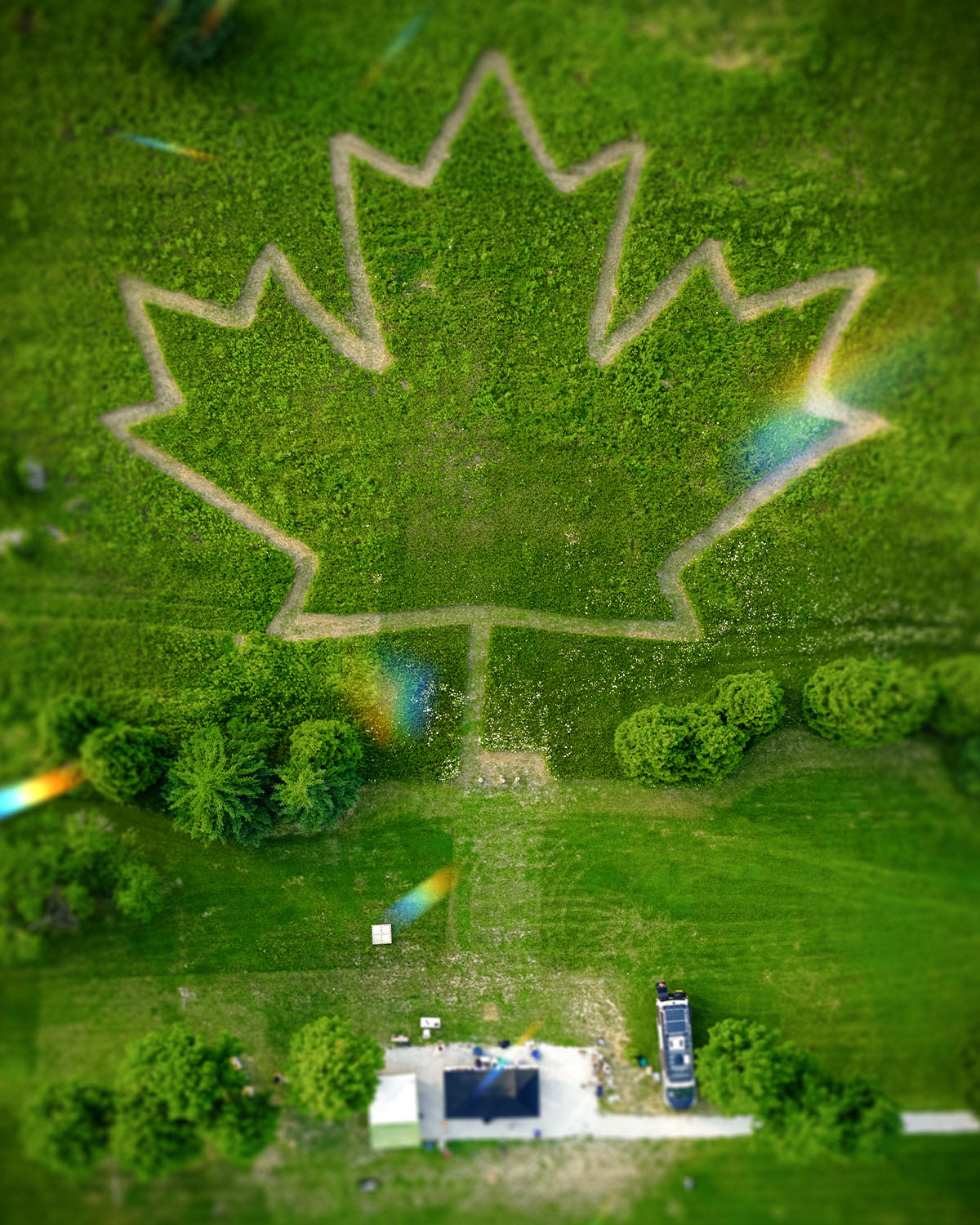
Many Canadian drone pilots face a common challenge: finding places to fly their drones. This is not about getting airspace approval or location permits when drone pilots are flying for work. The challenge is often finding safe places to get started and test new workflows between projects.

This is especially true when drone pilots are looking for a community setting to accelerate faster through:

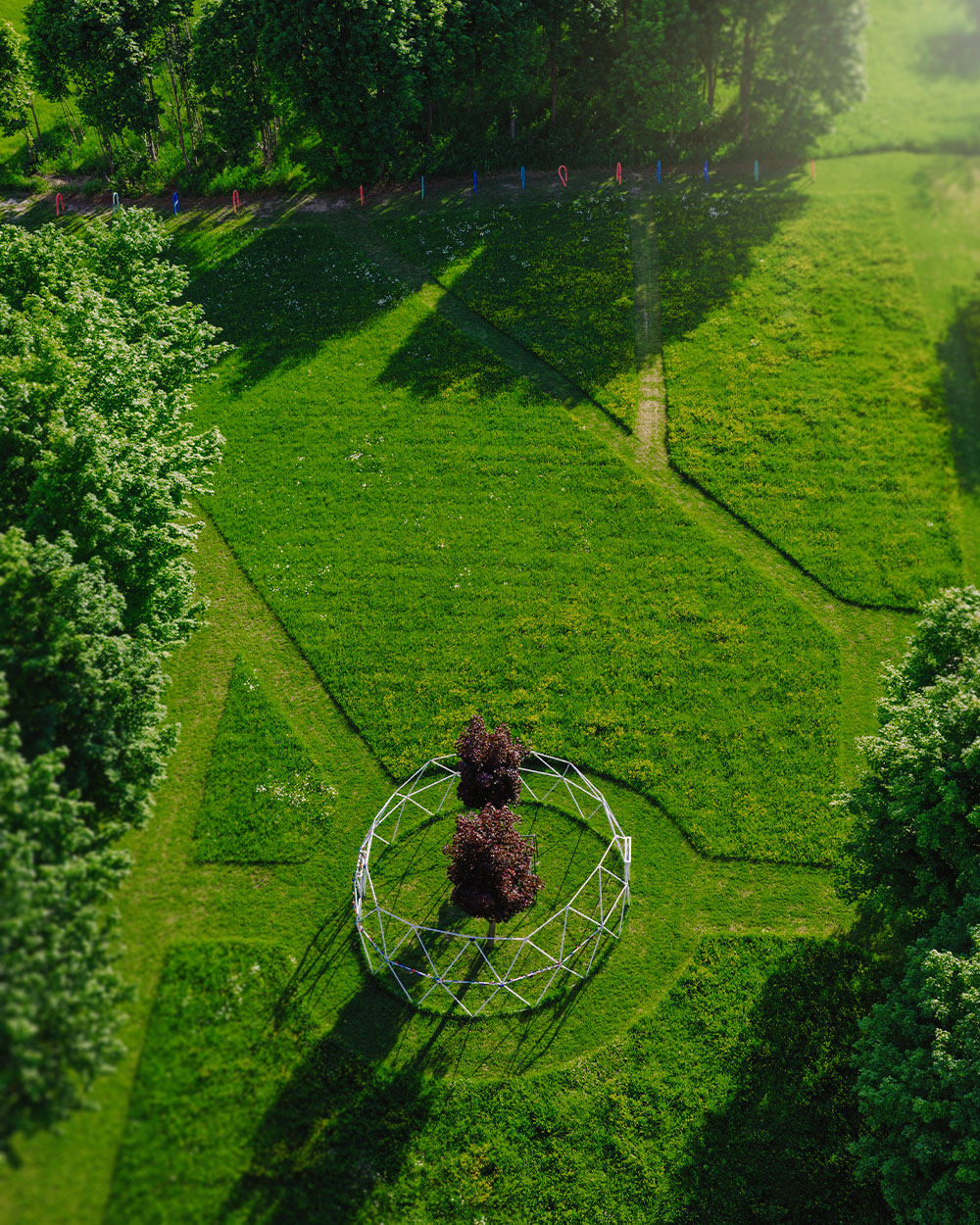
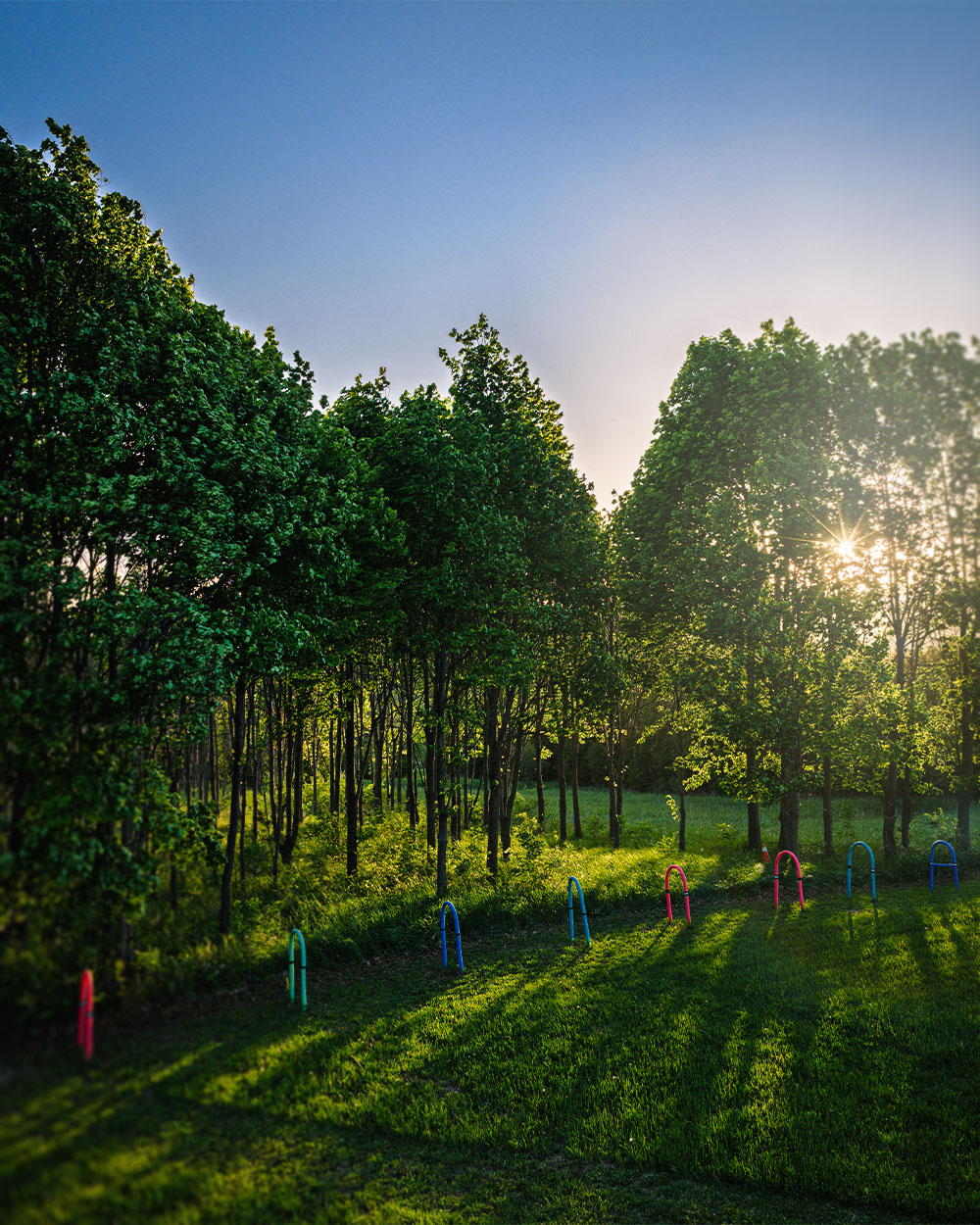
  • Practice with purposely designed flight courses
DV_BLOG_PILOT-COMMUNITY_VALUE_002
DV_BLOG_PILOT-COMMUNITY_VALUE_003
DV_BLOG_PILOT-COMMUNITY_VALUE_004
  • Testing new equipment and workflows in a controlled setting

DV_BLOG_PILOT-COMMUNITY_EQUIPMENT_003
DV_BLOG_PILOT-COMMUNITY_EQUIPMENT_001
DV_BLOG_PILOT-COMMUNITY_EQUIPMENT_002
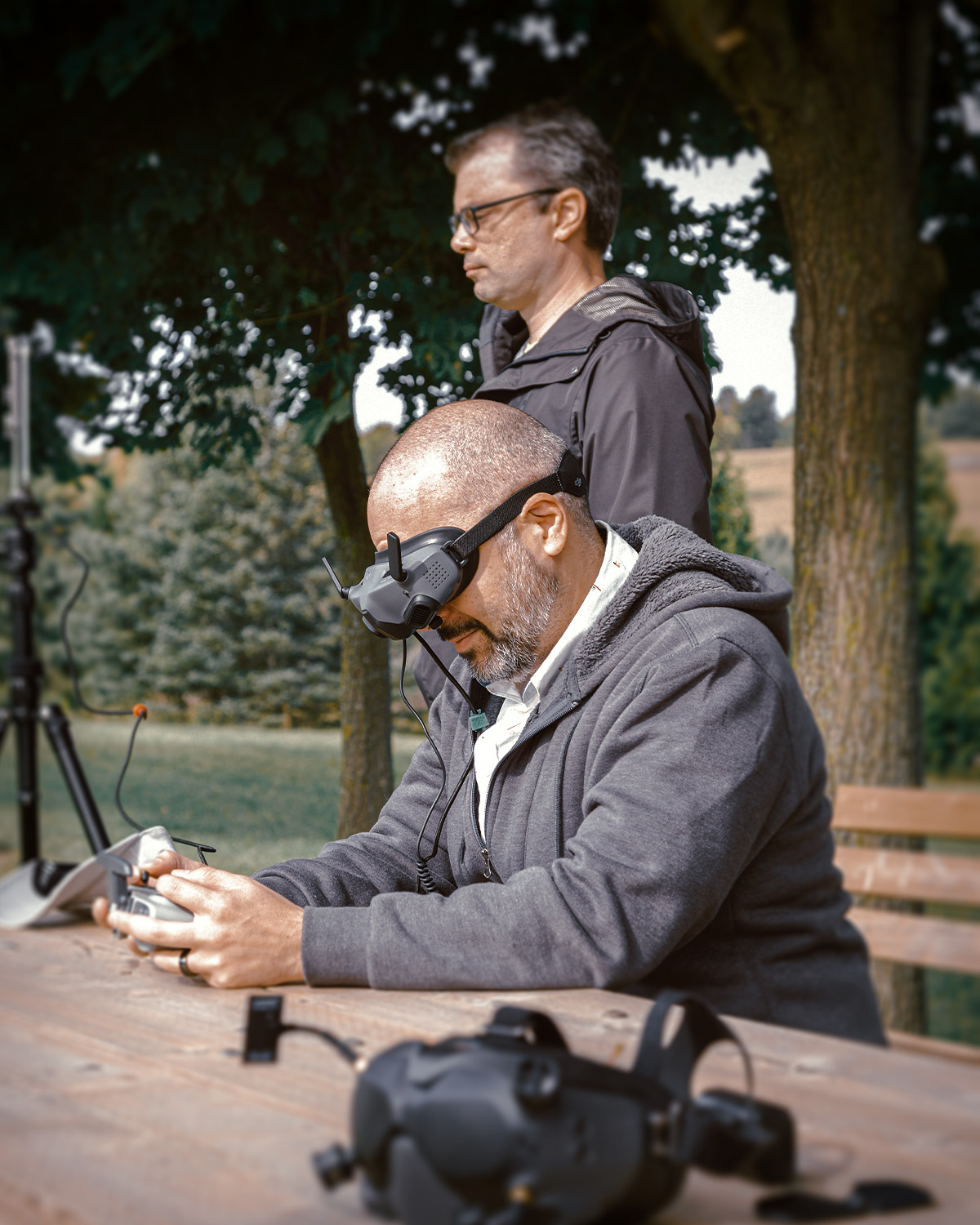
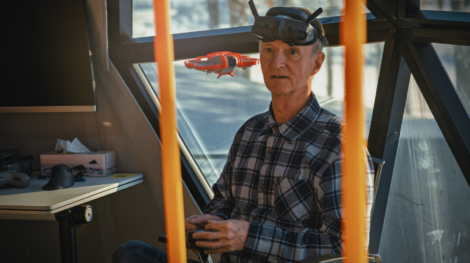
  • Racing FPV with other drone pilots and acting as each other’s spotter

  • Accessing community networks, facilities and information exchange

DV . Experience

I’ve been able to test smart mode features on new drones without too much fear, practice lost link scenarios with more experienced pilots, and get advice on tuning and gain settings for different conditions. That experience builds confidence. ~ Mark Young, DV Member  

These settings accelerate learning while maintaining safety and compliance.

Mentorship
Accelerates Growth


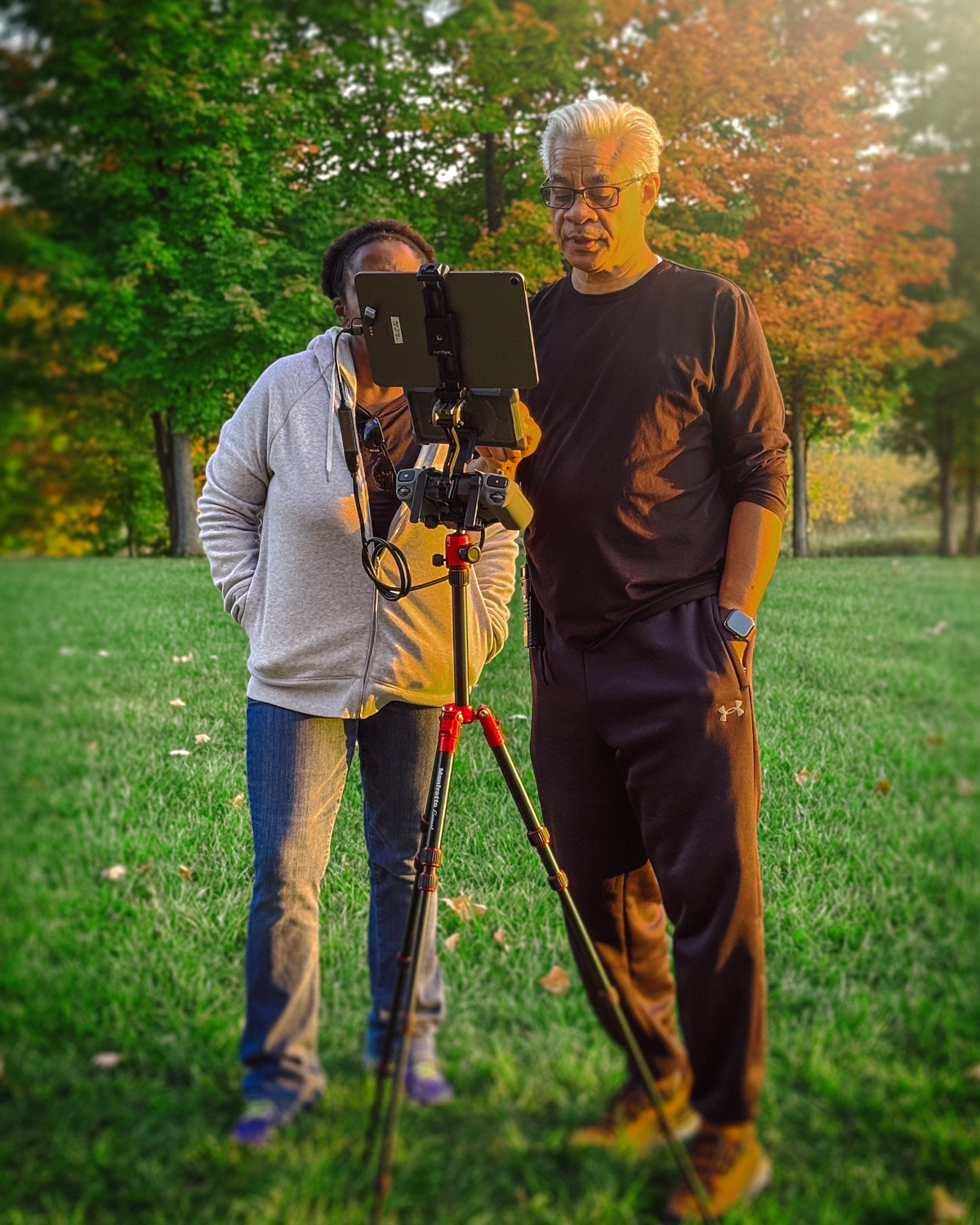
One of the most valuable aspects of a pilot community is mentorship. Learning today comes in many different forms. Online videos, blogs and tech forums can all support learning. But a structured community with experienced members who are willing to mentor means new pilots can gain confidence and skills faster.

Learning independently often comes with a steeper learning curve.

DV_BLOG_PILOT-COMMUNITY_MENTORSHIP_001

DV . Experience

Flying FPV with the Drone Vector crew pushed my skills forward,  both in the air and on the bench and taught me how small rate adjustments can make my flights feel smoother and more controlled. ~ Jeff Johnston, DV Member

As a drone community, DV Members can help newer pilots to:

  • Interpret and apply regulations
  • Prepare for advanced operations
  • Improve flight planning and risk management
  • Refine filming and storytelling skills

This knowledge transfer strengthens the entire ecosystem of the Canadian drone community.

From Solo Flying
to Shared Airspace


When drone pilots practice on their own in an open area, they often miss opportunities to develop important skills, like decision making and communication with other pilots sharing the same airspace.

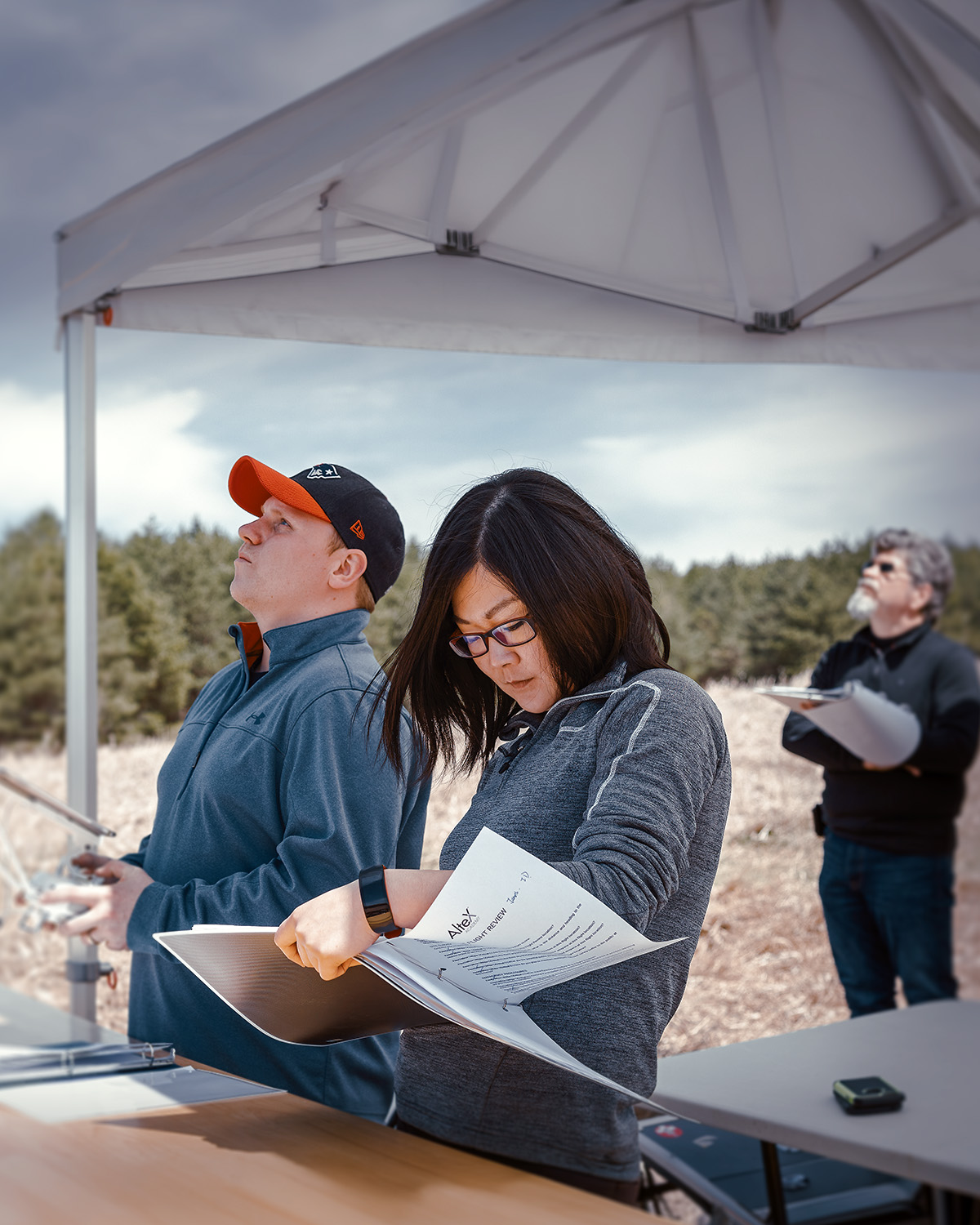
Flying in a community setting changes that dynamic. Pilots learn to coordinate takeoffs and landings, maintain situational awareness and communicate clearly with others flying nearby. With a community and a structured flight facility, pilots can build these critical skills in a controlled and safe environment while also receiving feedback from other experienced pilots.

DV_BLOG_PILOT-COMMUNITY_SHARED-AIRSPACE_001

A Community
Creates Opportunity


Beyond skill development, drone communities also create opportunities. Pilots meet collaborators, find project partners and experience new technologies firsthand. Connections built through community often lead to professional growth that no certification alone can provide.

Your Drone License
Only Marks the Start


Earning a drone pilot certificate is an achievement worth celebrating. It shows your commitment to legal and safe operations. But becoming a confident and capable pilot happens after the exam, by building flight hours and learning with other pilots.

In a strong drone community, pilots learn by observing how others plan flights, communicate in shared airspace and solve real-world challenges. These interactions help build practical flying experience. A community also creates opportunities to collaborate, explore new technologies and stay current as drone tools and capabilities continue to evolve.

While a license gives you permission to fly, a community helps you grow as a pilot.

DV_BLOG_PILOT-COMMUNITY_START_001

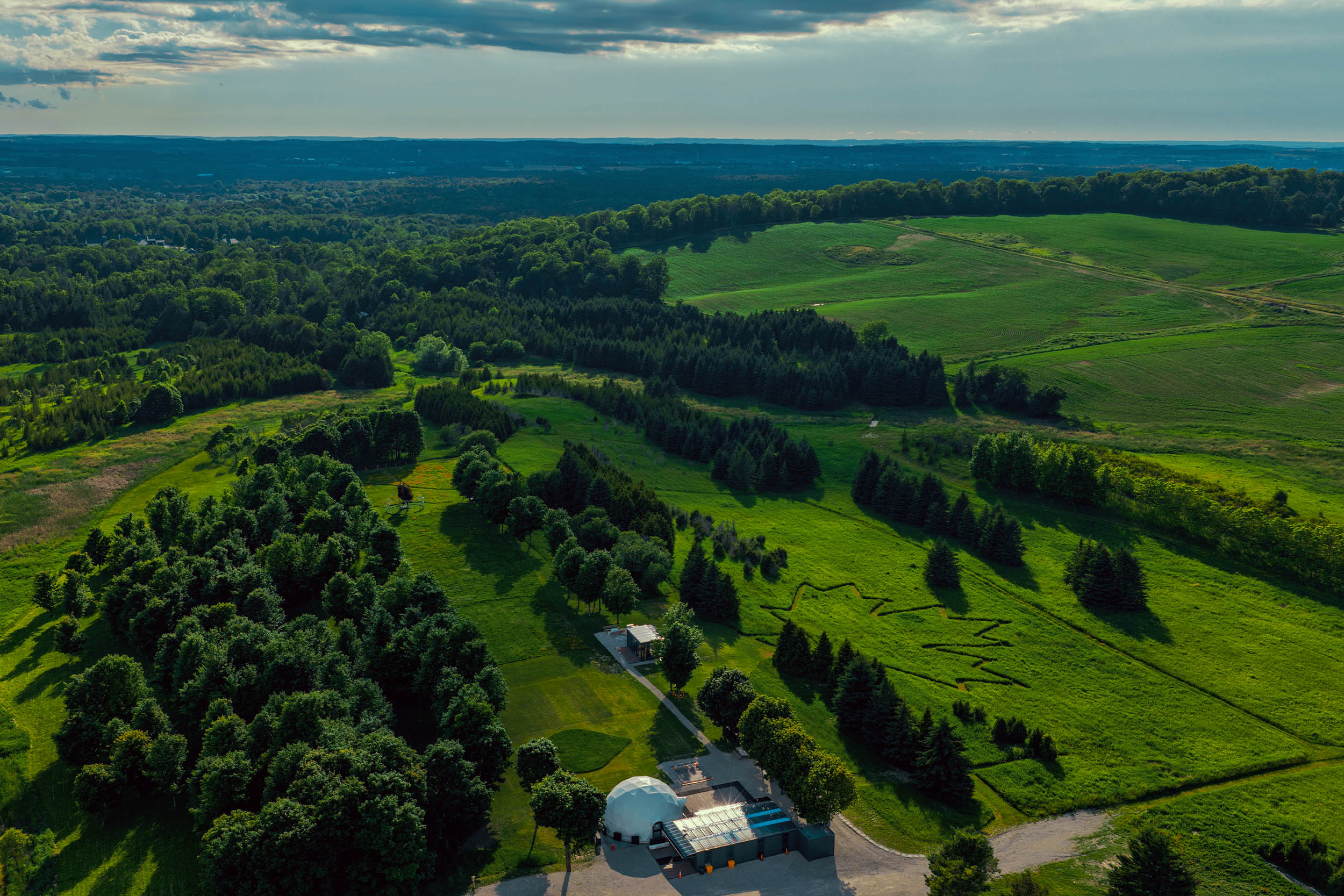
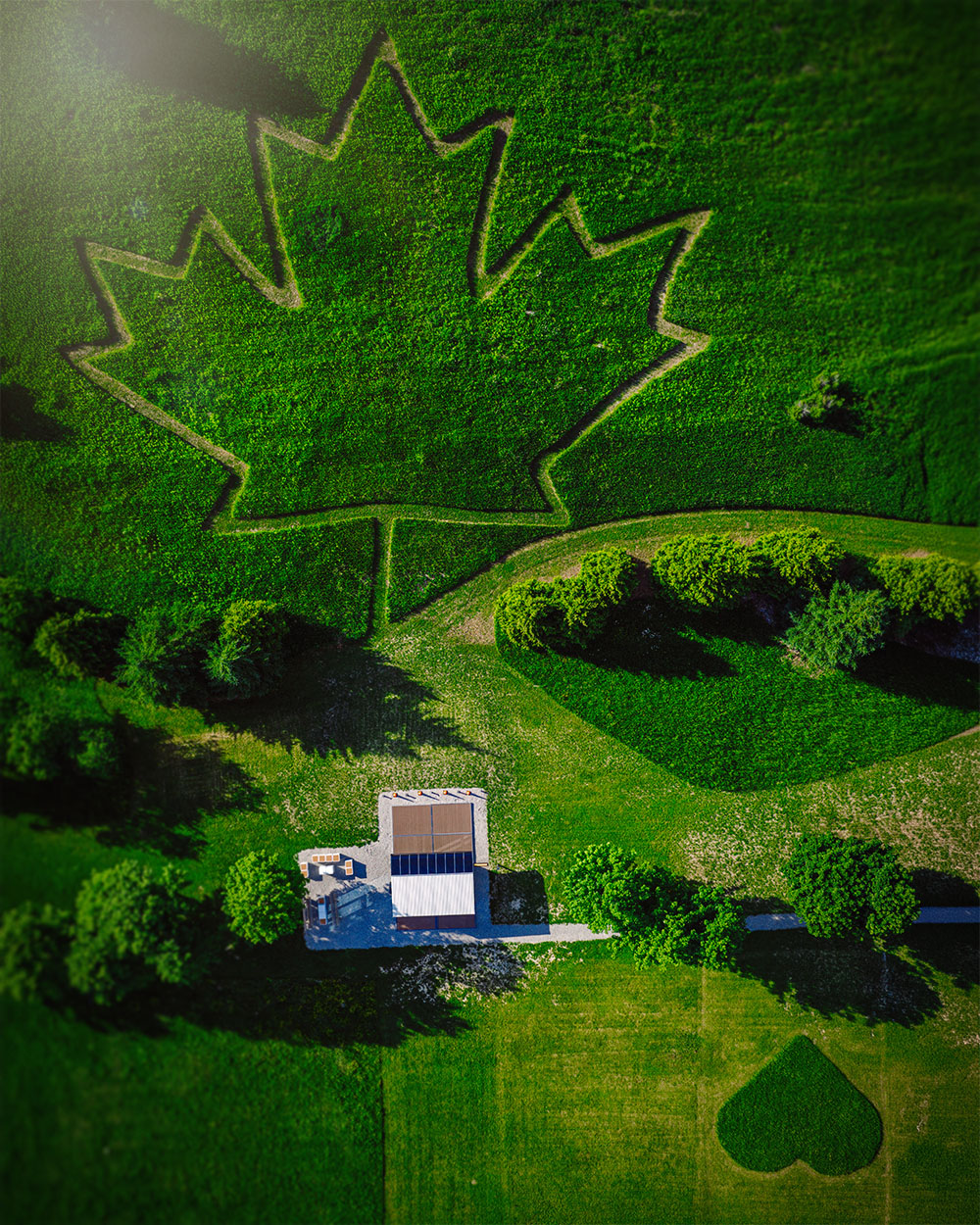
If you’re looking for a place to practice, connect with other pilots, and continue building your skills, consider visiting Drone Vector. You can book a tour of our 70-acre flight facility and see how a dedicated drone community supports pilots at every stage of their journey.

Picture of Yifei Zhao

Yifei Zhao

Operations Manager @ altexdronehub

new
POSTs

Shopping Basket